

Школьная жизнь, экзамены, учебный процесс и выбор профессии — вопросы, которые могут встретиться в аудировании (задания 1–9), чтении (10–18) и устной части (1–4) ЕГЭ по английскому языку. Чтобы уверенно обсуждать эти темы, недостаточно знать только слова school и learn. В этой статье разберём полезную лексику, которая поможет точнее говорить об образовании и лучше понимать экзаменационные тексты.
Учебные заведения и процесс
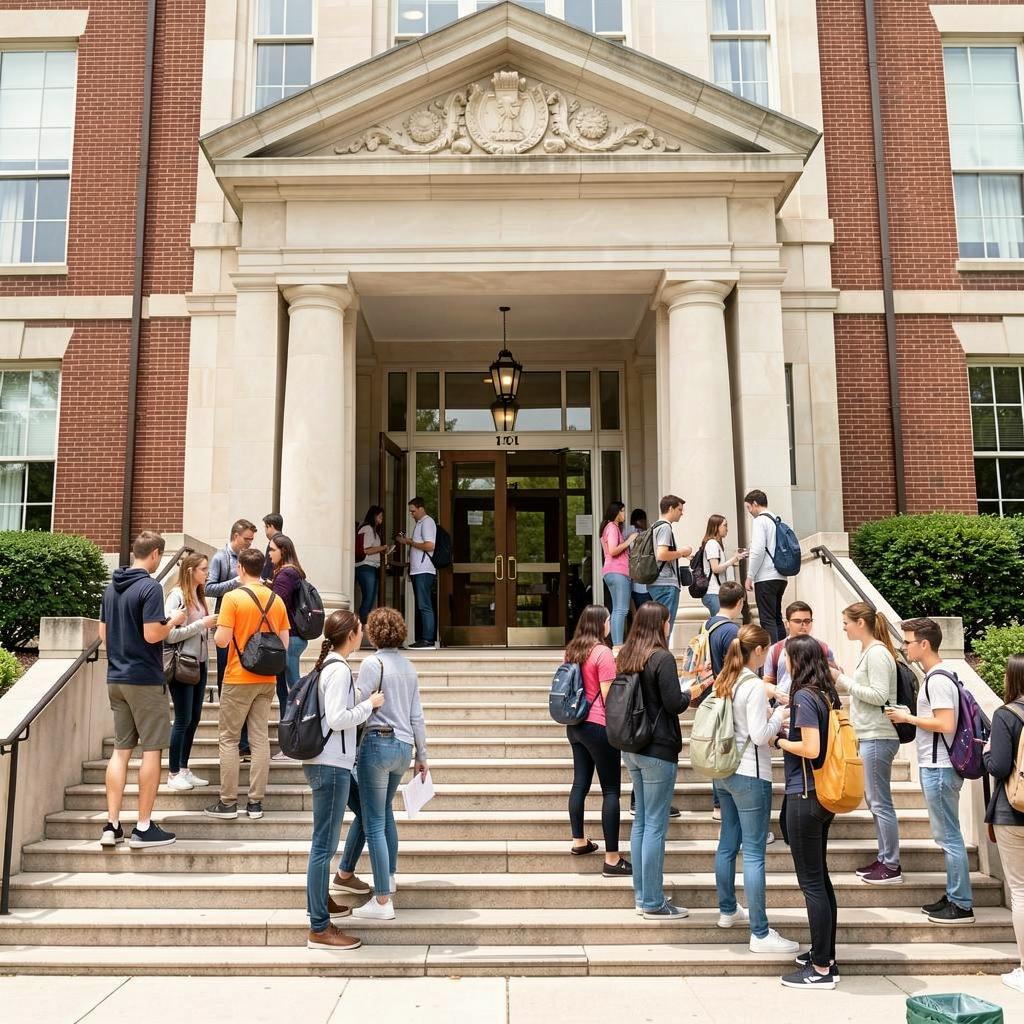
Начнём с лексики, которая поможет описать учебные заведения и образовательный процесс. Эти слова пригодятся при обсуждении школьной жизни, обучения и поступления в вуз.
| Слово или фраза | Перевод | Пример использования |
|---|---|---|
| boarding school | школа-интернат | Many teenagers live in a strict boarding school during the academic year. |
| distance learning | дистанционное обучение | Modern pupils prefer distance learning for its highly flexible schedule. |
| secondary education | среднее образование | Good secondary education provides a solid foundation for future university studies. |
| extracurricular activities | внеклассные занятия | Such extracurricular activities as sports build strong character traits. |
| critical thinking | критическое мышление | Universities want applicants to develop strong critical thinking skills. |
| academic performance | успеваемость в учёбе | High academic performance opens many doors for young graduates. |
| higher education | высшее образование | You must pass several exams to enter higher education institutions. |
| vocational training | профессиональная подготовка | Local colleges offer excellent vocational training for future mechanics. |
| tuition fee | плата за обучение | Wealthy parents easily pay a high tuition fee for private universities. |
| syllabus | учебная программа | Our teacher explained the new syllabus at the very first lesson. |
| private tutor | репетитор | Weak pupils often hire a private tutor for difficult math topics. |
| lecture hall | лекционная аудитория | Professors give interesting speeches in a large lecture hall. |
| graduation ceremony | церемония выпуска | Proud parents attended a beautiful graduation ceremony last June. |
| enrollment | зачисление на учёбу | University officials announced a new enrollment policy for international learners. |
| core subject | основной предмет | Mathematics remains a core subject in most secondary schools. |
Современные тенденции и результаты
При обсуждении образования часто затрагиваются современные технологии, организация учебного процесса и результаты обучения. Ниже собраны слова и выражения, которые помогут говорить на эти темы более точно.
| Слово или фраза | Перевод | Пример использования |
|---|---|---|
| digital literacy | цифровая грамотность | Modern schools require strong digital literacy from all young pupils. |
| time management | тайм-менеджмент | Effective time management helps candidates meet every academic deadline. |
| peer pressure | давление сверстников | Teenagers often struggle with negative peer pressure in school corridors. |
| win a scholarship | получить стипендию | Hardworking learners win a scholarship for excellent exam results. |
| obtain a degree | получить диплом | It takes several years to obtain a degree in complex medicine. |
| online platform | онлайн-платформа | Teachers upload useful materials to a special online platform daily. |
| academic deadline | академический срок сдачи | You must submit your final essay before the strict academic deadline. |
| interactive whiteboard | интерактивная доска | Instructors display complex diagrams on an interactive whiteboard. |
| virtual reality | виртуальная реальность | Pupils explore ancient cities through virtual reality headsets. |
| educational app | образовательное приложение | Children learn foreign words using a popular educational app. |
| final grade | итоговая оценка | Your final grade depends on performance during the whole semester. |
| career prospect | карьерная перспектива | A good diploma improves career prospects for young specialists. |
| standardized test | стандартизированный тест | All applicants must pass a standardized test for university admission. |
| learning outcome | результат обучения | Teachers evaluate the learning outcome with special practical tasks. |
| practical skill | практический навык | Employers value every practical skill of young graduates. |

Глаголы и устойчивые выражения

Учебная деятельность включает множество повседневных задач: посещение занятий, подготовку проектов, исследования и выполнение домашних заданий. Для описания этих действий пригодятся следующие слова и выражения:
| Слово или фраза | Перевод | Пример использования |
|---|---|---|
| attend classes | посещать занятия | You must attend classes regularly to get good grades. |
| acquire knowledge | получать знания | Teenagers acquire knowledge through extensive reading and practical experiments. |
| broaden horizons | расширять кругозор | Foreign travel helps young people broaden their horizons significantly. |
| pursue a career | строить карьеру | Many graduates pursue a career in innovative technological fields. |
| take notes | делать записи, конспектировать | You should always take notes during important seminars to remember key facts. |
| do research | проводить исследование | Pupils do research for their final projects in the school library. |
| meet a deadline | уложиться в срок сдачи | Learners always meet a deadline for their written assignments. |
| submit an assignment | сдать задание на проверку | We must submit an assignment before the end of the week. |
| enroll in a course | записаться на курс | My younger sister decided to enroll in a course of advanced mathematics. |
| deliver a presentation | делать презентацию, выступать с докладом | Schoolchildren deliver a presentation in front of the whole class every month. |
Фразовые глаголы
Экзаменационные задания 30–36 (множественный выбор) регулярно проверяют знание фразовых глаголов:
| Слово или фраза | Перевод | Пример использования |
|---|---|---|
| drop out | бросить учёбу | He decided to drop out of college due to severe financial problems. |
| catch up with | догнать программу или одноклассников | Extra classes help slow pupils catch up with the rest of the group. |
| fall behind | отстать от программы | You will quickly fall behind the rest of the group after missing many lectures. |
| hand in | сдать работу или эссе на проверку | You must hand in your final essay by Friday morning. |
| go over | повторить материал или правило перед тестом | Teachers always go over difficult rules before the weekly test. |
| read up on | прочитать, изучить материал | You should read up on this topic before the upcoming lecture. |
| figure out | разобраться, понять | I cannot figure out this complex grammar rule without your help. |
| brush up on | освежить знания | You need to brush up on your grammar before the long trip. |
| look up | искать информацию в словаре | You should always look up unknown words in a good dictionary. |
| sum up | подвести итог | Let us sum up the main ideas of this interesting article. |
Идиомы
Идиомы помогают сделать речь более выразительной и разнообразной. Их можно использовать в электронном письме (задание 37) и в устной части ЕГЭ, если они соответствуют контексту.
| Слово или фраза | Перевод | Пример использования |
|---|---|---|
| hit the books | усердно взяться за учёбу, зубрить | I have to hit the books tonight because of the difficult test. |
| learn by heart | выучить наизусть | Pupils learn their lines by heart very quickly before the play. |
| pass with flying colours | сдать экзамен блестяще | She passed her final exams with flying colours after long preparation. |
| teacher’s pet | любимчик учителя | Many classmates dislike the favourite teacher’s pet during breaks. |
| school of hard knocks | жизненный опыт, суровая школа жизни | His early business failures taught him a lesson in the school of hard knocks. |
| cram for | зубрить перед экзаменом | Pupils often cram for exams the night before the test. |
| draw a blank | не мочь вспомнить | I drew a blank during the speaking test yesterday morning. |
| put one’s mind to something | сосредоточиться на чём-то | Strong motivation helps you put your mind to learning Chinese. |
| know something inside out | знать что-то досконально | He knows English grammar inside out after years of practice. |
| get the hang of | уловить суть, научиться делать что-то правильно | Active learners get the hang of this grammar rule after a week. |
Примеры использования лексики в заданиях ЕГЭ
Пример 1. Фрагмент электронного письма другу (задание 37)
Твой английский друг по переписке Ben задаёт три вопроса по теме образования:
- What is your favourite school subject and why?
- How do you usually prepare for important exams?
- Do you prefer studying at school or doing distance learning?
Пример ответа
Dear Ben,
Thanks for your email. I am glad to answer your questions about my education.
You asked me about my school life. My favourite core subject is History. This subject helps me broaden horizons. I usually hit the books a week before tests. I also go over my notes. I learn important dates by heart. Personally, I prefer regular classes. Distance learning requires excellent time management. I often fall behind the schedule at home. I like to attend classes. I also take notes in a real lecture hall.
By the way, what extracurricular activities do you choose? Do you want to obtain a degree in medicine? Did you pass your last standardized testwith flying colours?
Write back soon!
Best wishes,
[Твоё имя]
Пример 2. Установление соответствия (задание 1 аудирования)
В этом задании нужно прослушать шесть высказываний и подобрать к каждому подходящее утверждение из списка. Одно утверждение лишнее.
Утверждения:
- A person who struggles with strict deadlines.
- Someone who uses modern digital tools for studying.
- A person who completely ignores academic rules.
- A person who values practical experience over theory.
- Someone who receives financial support for good grades.
- A pupil who suffers from the negative influence of classmates.
- A learner who relies on mechanical memorization.
Отрывки из аудио для прослушивания:
A. I always use a special educational app on my phone. I also watch lectures in virtual reality. These interactive exercises help me understand difficult topics.
B. I often fall behind the group. I cannot meet a deadline for my research paper. I need better time management skills. This will help me finish my coursework on time.
C. My younger sister just learns all the rules by heart. She does not try to understand the deep meaning. This rote learning helps her get a good final grade.
D. My parents pay a high tuition fee for my higher education. However, I want to win a scholarship next year. I study hard. I want to pass the standardized testwith flying colours.
E. I face terrible peer pressure in my class. Some classmates do not want to attend classes. They try to stop me from acquiring knowledge.
F. I prefer vocational training to university. I want to gain experience. I also want to develop practical skills. A personalized approach at my college helps me pursue a career in IT.
Ответ: A — 2, B — 1, C — 7, D — 5, E — 6, F — 4. Лишнее утверждение — 3, так как ни один из героев не игнорирует учёбу полностью, а делает всё возможное для получения знаний.
Примечание: в реальном ЕГЭ формулировки могут немного отличаться, но логика соответствия сохраняется.
Как легко запомнить новую лексику
Чтобы быстрее запомнить новую лексику, объединяй слова и выражения в логические цепочки. Представь путь ученика или студента: сначала он выбирает форму обучения (distance learning или очную), затем начинает посещать занятия (attend classes) и делать конспекты (take notes). Во время учёбы важно укладываться в сроки (meet a deadline), поэтому без навыков управления временем (time management) не обойтись. Если пропускать занятия, можно отстать от программы (fall behind), а потом придётся навёрстывать упущенное (catch up with). Перед экзаменом остаётся только усердно готовиться (hit the books), чтобы успешно его сдать (pass with flying colours) и получить диплом (obtain a degree). Такой связный сюжет помогает запоминать слова и выражения в контексте.
Тренировочные задания
Проверь свои знания.
Упражнение 1
Выбери правильный вариант ответа (формат заданий 30–36).
Due to a long illness, pupils had to work hard to ___ the rest of the group.
- fall behind
- catch up with
- drop out
- hand in
Пояснение: фразовый глагол catch up with переводится как «догнать программу» и подходит по контексту — речь идёт о возвращении к учёбе после долгой болезни. Остальные варианты означают «отстать», «бросить учёбу» и «сдать работу».
Ответ: 2.
Упражнение 2
Образуй от слова ACCESS подходящее по смыслу слово (формат заданий 25–29).
Remote boarding schools often become ___ during heavy snowstorms. (ACCESS)
Пояснение: после глагола become нужно прилагательное. По контексту предложения (heavy snowstorms) понятно, что школы были недоступны. От существительного access с помощью отрицательного префикса in- и суффикса прилагательного -ible образуется слово inaccessible (недоступный).
Ответ: inaccessible.
Упражнение 3
Выбери правильный вариант ответа (формат заданий 30–36).
All applicants must pass a ___ for university admission.
- standardized test
- academic deadline
- core subject
- tuition fee
Пояснение: устойчивое выражение standardized test переводится как «стандартизированный тест». Остальные варианты не подходят по смыслу (академический срок, основной предмет, плата за обучение).
Ответ: 1.
Упражнение 4
Установи соответствие между английской фразой и её значением.
A. Hit the books.
B. Pass with flying colours.
C. Draw a blank.
- Сдать экзамен блестяще, на отлично.
- Усердно взяться за учёбу, зубрить.
- Не мочь вспомнить, забыть всё на экзамене.
Пояснение: фраза hit the books означает «усердно взяться за учёбу, зубрить», pass with flying colours переводится как «сдать экзамен блестяще, на отлично», а draw a blank — «не мочь вспомнить, забыть всё на экзамене».
Ответ: A — 2, B — 1, C — 3.
Упражнение 5
Вставь правильное слово в идиому.
A teacher’s ___ always sits in the first row and helps distribute handouts.
- pet
- dog
- cat
- bird
Пояснение: идиома a teacher’s pet переводится как «любимчик учителя».
Ответ: 1.
Заключение
Теперь ты понимаешь, как правильно применять лексику по теме Education, и знаешь разницу между синонимами вроде learn и study или take an exam и pass an exam. Использование точных терминов повышает качество ответа и делает речь более естественной. Внимание к предлогам во фразовых глаголах поможет не совершить ошибок в заданиях 30–36. Чтобы закрепить материал и довести навык до автоматизма, рекомендуем порешать задания из раздела «Лексика и грамматика» в «100балльном банке».