

Часто кажется, что для написания эссе и ответа на 4-е устное задание по темам, связанным с культурными особенностями, достаточно выучить базовые слова, такие как tradition или food. Однако этого может быть мало: например, в заданиях № 30–36 нужно знать тонкие различия синонимов и сочетаемость слов, а в письменном может понадобиться лексика посложнее, чем ожидается. Разберём слова и устойчивые выражения, которые помогут сдать экзамен на максимальный балл.
Традиции и обычаи
Термины для описания культурных особенностей и самобытности народа:
| Слово или фраза | Перевод | Пример использования |
|---|---|---|
| ancestral roots | родовые корни | Young individuals often explore their ancestral roots for deeper self-discovery. |
| cultural identity | культурная идентичность | You can preserve your cultural identity through daily communication with elderly relatives. |
| national costume | национальный костюм | Local artisans create beautiful national costumes for international festivals. |
| folk wisdom | народная мудрость | Ancient folk wisdom helps modern farmers predict weather changes accurately. |
| traditional crafts | традиционные ремёсла | Local masters teach traditional crafts to interested teenagers every weekend. |
| indigenous beliefs | верования коренных народов | Indigenous beliefs strongly influence the daily routines of remote village residents. |
| generational bond | связь поколений | Families maintain a strong generational bond during difficult life periods. |
| historical legacy | историческое наследие | Our city carefully protects its historical legacy with great respect. |
| spiritual values | духовные ценности | People rely on spiritual values during serious life trials. |
| rural customs | сельские обычаи | Local residents preserve rural customs in isolated mountain regions. |
Национальные блюда и кухня
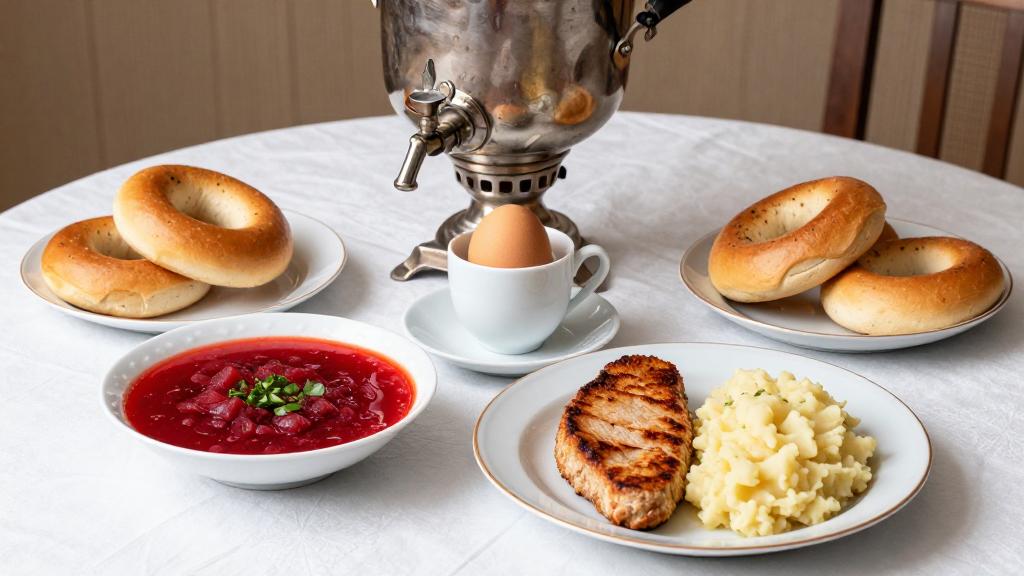
Для описания гастрономических особенностей страны можно использовать лексику посложнее, чем обычное food:
| Слово или фраза | Перевод | Пример использования |
|---|---|---|
| traditional cuisine | традиционная кухня | People always praise our traditional cuisine for its rich flavours. |
| local delicacy | местный деликатес | You must try this local delicacy at the local markets in southern regions. |
| homemade pastry или homemade baking | домашняя выпечка | My grandmother bakes delicious homemade pastry for every Sunday breakfast. |
| hearty soup | наваристый суп | Hosts serve hot hearty soup during severe winter frosts. |
| festive treat | праздничное угощение | Families prepare special festive treats for major calendar dates. |
| culinary heritage | кулинарное наследие | Our culinary heritage includes many unique dishes from different regions. |
| staple food | основной продукт питания | Rice remains a staple food for millions of people across Asia. |
| dairy product | молочный продукт | Fresh dairy products provide growing children with essential vitamins. |
| seasonal harvest | сезонный урожай | Chefs use seasonal harvest to prepare daily menus in local restaurants. |
| authentic recipe | аутентичный рецепт | You can cook an authentic recipe using old handwritten cookbooks. |

Праздники
Специфические существительные помогут рассказать о народных гуляниях и важных датах вместо простого слова holiday:
| Слово или фраза | Перевод | Пример использования |
|---|---|---|
| cultural event | культурное мероприятие | Our city hosts a major cultural event every summer. |
| folk festival | народный фестиваль | Loud music and bright colours fill the streets during a folk festival. |
| seasonal celebration | сезонный праздник | Families cook special dishes for a seasonal celebration in late autumn. |
| traditional fair | традиционная ярмарка | Local craftsmen sell their unique items at a traditional fair. |
| public holiday | государственный праздник | Citizens enjoy a public holiday with various outdoor activities. |
| religious celebration | религиозное торжество | Believers attend a quiet religious celebration in the old cathedral early in the morning. |
| winter festival | зимний фестиваль | Children build snowmen and skate at an annual winter festival. |
| harvest festival | праздник урожая | Farmers bring their best crops to a local harvest festival. |
| street parade | уличный парад | Colourful costumes and loud drums make a street parade truly unforgettable. |
| community gathering | общественное мероприятие | Neighbours organize a friendly community gathering every spring. |
Глаголы и устойчивые выражения
Умение грамотно применять эти устойчивые выражения значительно повысит баллы за лексику в эссе и устном интервью при обсуждении культурных различий:
| Слово или фраза | Перевод | Пример использования |
|---|---|---|
| pass down family values | передавать семейные ценности | Grandparents always pass down family values to their curious grandchildren. |
| keep old customs alive | сохранять старые обычаи живыми | We must keep old customs alive for our future generations. |
| cherish unique heritage | беречь уникальное наследие | Every citizen should cherish the unique heritage of their native region. |
| embrace local customs | принимать местные обычаи | Foreign guests easily embrace local customs during their long stay. |
| showcase folk art | демонстрировать народное искусство | Local museums regularly showcase folk art to all interested visitors. |
| perform ancient rituals | исполнять древние ритуалы | People perform ancient rituals in this small village every spring. |
| exchange cultural experiences | обмениваться культурным опытом | Students exchange cultural experiences during international school projects. |
| appreciate historical sites | ценить исторические места | Tourists appreciate historical sites in our beautiful ancient city. |
| revive old practices | возрождать старые практики | Enthusiasts revive old practices to teach children about the past. |
| foster mutual respect | способствовать взаимному уважению | Schools foster mutual respect among children from different backgrounds. |
| experience culture shock | испытать культурный шок | Foreigners often experience culture shock upon arrival. |
Фразовые глаголы
Точное знание тематических фразовых глаголов спасёт тебя от обидных ошибок в заданиях 30–36:
| Слово или фраза | Перевод | Пример использования |
|---|---|---|
| grow up | расти, взрослеть | Children grow up listening to fascinating folk tales. |
| pass on | передавать | Older relatives pass on secret recipes to young cooks. |
| look back on | оглядываться на | We look back on our childhood holidays with great warmth. |
| bring up | воспитывать | Parents bring up their kids with strong moral principles. |
| hand down | передавать по наследству | Families hand down precious heirlooms to their heirs. |
| fit in | вписываться | New students quickly fit in thanks to friendly school traditions. |
| stand out | выделяться | Bright national ornaments always stand out at international exhibitions. |
| get along | ладить | People from different countries get along during cultural exchanges. |
| open up | открываться | Travellers open up to new experiences during foreign trips. |
| blend in | сливаться | Modern architecture blends in with historical buildings perfectly. |
Идиомы и фразеологизмы
Использование тематических идиом сделает твою речь о культурном разнообразии естественной и принесёт дополнительные баллы в устной и письменной частях экзамена:
| Слово или фраза | Перевод | Пример использования |
|---|---|---|
| a melting pot | плавильный котёл | Modern cities represent a melting pot for different nationalities. |
| break the ice | растопить лёд | A traditional game helps guests break the ice quickly. |
| old habits die hard | старые привычки умирают с трудом | Old habits die hard among conservative local residents. |
| go with the flow | плыть по течению | Visitors usually go with the flow during traditional ceremonies. |
| speak volumes | говорить красноречиво | Ancient proverbs speak volumes about our wise ancestors. |
| set the tone | задавать тон | Elders set the tone for all important family gatherings. |
| find common ground | найти общую почву | Diplomatic talks help countries find common ground. |
| a bone of contention | предмет спора | This ancient ritual became a bone of contention among scientists. |
| read between the lines | читать между строк | You must read between the lines to understand true folk tales. |
Примеры употребления лексики в контексте заданий формата ЕГЭ
Пример № 1. Установление соответствия (задание 1 аудирования)
В этом задании нужно прослушать 6 высказываний и подобрать к каждому подходящее утверждение из списка. Одно утверждение лишнее.
Утверждения:
- A person who preserves ancient culinary traditions.
- A person who completely rejects modern cultural events.
- A person who focuses on passing traditions to the next generation.
- Someone who appreciates historical architecture and legacy.
- A person who experiences difficulties adapting to a foreign culture.
- Someone who promotes traditional handmade crafts.
- Someone who actively participates in local folk festivals.
Отрывки из аудио для прослушивания:
A. My grandmother always cooks a hearty soup. She uses an authentic recipe from her youth. Our family cherishes unique heritage daily.
B. Our city hosts a folk festival every summer. Locals perform ancient rituals in the main square. We always break the ice with new neighbours during this cultural event.
C. Older relatives pass on secret skills to young children. They hand down precious items to their heirs. This generational bond keeps our spiritual values alive.
D. We often appreciate historical sites in our native region. Local authorities protect this historical legacy carefully. These old buildings speak volumes about our brave ancestors.
E. My foreign friend recently visited Russia. He experienced culture shock upon arrival. Now he tries to embrace local customs. He fits in perfectly.
F. Local masters showcase folk art at the traditional fair. They teach traditional crafts to interested teenagers. These beautiful items stand out at international exhibitions.
Ответ: A — 1, B — 7, C — 3, D — 4, E — 5, F — 6. Лишнее утверждение — 2, так как ни один из героев не отвергает современные мероприятия полностью (кто-то хранит кулинарные рецепты, кто-то участвует в фестивалях, а кто-то адаптируется к новым условиям).
Примечание: в реальном ЕГЭ формулировки могут немного отличаться, но логика соответствия сохраняется.
Пример № 2. Чтение вслух небольшого научно-популярного текста (задание 1 устной части)
В этом задании нужно прочитать текст вслух за 1,5 минуты. Жирным шрифтом выделены слова и выражения из статьи по теме культуры и традиций. На их произношение нужно обращать особое внимание.
Текст:
Russian culture possesses a rich historical legacy. Local residents cherish their unique heritage deeply. Families pass down family values to young children. Grandparents hand down interesting stories to their heirs. This strong generational bond unites people. Locals perform ancient rituals during a winter festival. They wear a beautiful national costume for the folk festival. Guests try a hearty soup. They also taste a local delicacy. Our traditional cuisine reflects true spiritual values. Foreign visitors often experience culture shock upon arrival. They soon embrace local customs. They fit in perfectly. Our cultural identityspeaks volumes about wise ancestors. We must keep old customs alive for future generations.
Как легко запомнить новую лексику
Представь, что приглашаешь иностранного друга в гости на зимние каникулы в Россию. Ты рассказываешь ему о historical legacy (историческом наследии), приглашаешь его на winter festival (зимний фестиваль), угощаешь его hearty soup (наваристым супом) и помогаешь ему break the ice (растопить лёд) с местными жителями. Интеграция терминов в единый и понятный сюжет помогает мозгу быстрее извлекать их из памяти на экзамене.
Тренировочные задания
Проверь свои знания.
Упражнение 1
Выбери правильный вариант ответа (формат заданий 30–36).
Families always hand … precious heirlooms to their heirs.
- down
- up
- off
- out
Пояснение: фразовый глагол hand down переводится как «передавать по наследству» и идеально подходит по контексту передачи реликвий наследникам. Остальные варианты означают «сдавать», «отключать» и «раздавать».
Ответ: 1.
Упражнение 2
Образуй от слова TRADITION подходящее по смыслу слово (формат заданий 25–29).
Foreign guests often experience … situations during their long stay. (TRADITION)
Пояснение: в пропуск перед существительным situations требуется прилагательное. По контексту предложения речь идёт о непривычных, нетрадиционных ситуациях для иностранных гостей. От существительного tradition с помощью отрицательной приставки un- и суффикса прилагательного -al образуется слово untraditional (нетрадиционный).
Ответ: untraditional.
Упражнение 3
Установи соответствие между английской фразой и её значением.
A. Break the ice.
B. Speak volumes.
C. Go with the flow.
- Плыть по течению.
- Растопить лёд.
- Говорить красноречиво.
Пояснение: фраза break the ice означает «растопить лёд», speak volumes переводится как «говорить красноречиво», а go with the flow — «плыть по течению».
Ответ: A — 2, B — 3, C — 1.
Упражнение 4
Выбери правильный вариант ответа (формат заданий 30–36).
Foreigners often … culture shock upon arrival.
- make
- do
- experience
- feel
Пояснение: устойчивое выражение experience culture shock переводится как «испытать культурный шок». Глаголы make и do не образуют с существительным shock верного лексического сочетания в этом контексте.
Ответ: 3.
Упражнение 5
Вставь правильное слово в идиому.
This ancient ritual became a … of contention among scientists.
- bone
- piece
- drop
- point
Пояснение: идиома a bone of contention переводится как «предмет спора» и подходит по контексту научного обсуждения древнего ритуала.
Ответ: 1.
Заключение
Теперь ты умеешь уверенно использовать сложные фразовые глаголы и идиомы в заданиях 30–36, применять устойчивые выражения в эссе и устной части, а главное — запоминать эту лексику через простые жизненные сюжеты. Чтобы довести навык до автоматизма и не сомневаться на тестировании, порешай 8–10 свежих заданий в «100балльном банке».