Банк заданий
ЕГЭ по английскому языку
Бесплатно готовься к экзаменам
на проверенных материалах ФИПИ

Найдите нужные задания по ЕГЭ, Английский язык, номеру или теме. Любое задание можно открыть в каталоге или решить в тренажёре.
Прочитайте текст и выполните задания 12–18. В каждом задании запишите в поле ответа цифру 1, 2, 3 или 4, соответствующую выбранному Вами варианту ответа.
Пример ответа: 1
Study habits
Effective studying is a skill. As such, it’s possible to break down your habits into ineffective study habits versus effective study habits. In an effort to optimize my academic performance, I’ve created a list of bad study habits of college students so as to avoid them.
Number one all-time favourite is cramming. Cramming goes hand-in-hand with procrastination. If you wait until the last minute to study for a test, then you’ll likely find yourself memorizing facts and information without understanding them. While this could work in the short term, you have to keep in mind that most subject matter is cumulative and builds upon what you’ve previously learned. So, in the long run, you’re doing yourself a disservice by memorizing information at the last minute because what goes in quickly is also likely to be forgotten quickly. Instead, start by studying a bit every night after class. This way, you can absorb information over time and actually remember what you learn better.
If you’re a crammer, then chances are high that you’ve pulled an all-nighter. As the term implies, it means you stay up all night to study. This is a lose-lose because not only are you stuck with memorizing over understanding, but you are also lacking sleep, while sleep is crucial for the brain’s functioning and ability to recall information.
The next thing that does more harm than good is multitasking. While multitasking might seem like a good idea because you feel like you can get several things done in less time, the truth is that you aren’t actually focused. People who focus on one thing at a time absorb more information and are more productive. When your brain is constantly switching between tasks, you are less likely to recall information. You can also wear yourself out more quickly. To avoid multitasking, make a plan and prioritize what you will do, and study first. Only once you’ve finished the first thing on your list should you move on to the next.
Studying takes time, so you have to make time to do it. As such, you’ll want to understand time management to allocate the right amount of time to study each subject. Some time management tips include prioritizing tasks, setting a schedule, breaking up big tasks, creating rewards, and waking up earlier to give yourself more time in a day.
And finally, I can’t but mention missing classes. Attending will end up boosting what you learn. Since you study the material that is first introduced to you during class, you will already have the foundational knowledge you need to understand the material deeply. When you miss a class, you’ll also have to spend a lot of time making up for what you missed by copying notes or asking your peers about what you missed. The time you spend doing that could be better spent studying and reviewing what you’ve already learned.
The only way to avoid missing class is to go to class! Make note of your schedule in advance so that you can fit in everything around your class schedule. And, if you choose to learn at an online institution, then the great news is you can be more flexible with your schedule. This is especially true if you enroll at an institution where classes are recorded, so you can choose when and where you want to study and learn.
Studying is integral to academic life. And doing it effectively is essential for one’s success because often, just earning a degree isn’t enough. Over time, you’ll start to recognize what works for you and what doesn’t. I shared these examples so you can assess whether or not you take part in them. If you do, it’s time to drop them so that you can earn better results from your studying efforts!
18. The main goal of the article is to …
1) share the author’s tips on how to earn a degree.
2) encourage students to improve their study habits.
3) define what works for different types of students.
4) share the examples of the author’s achievements.
Прочитайте приведённый ниже текст / приведённые ниже тексты. Преобразуйте, если необходимо, слова, напечатанные заглавными буквами в конце строк, обозначенных номерами 19–24, так, чтобы они грамматически соответствовали содержанию текстов. Заполните пропуски полученными словами. Каждый пропуск соответствует отдельному заданию из группы 19–24.
Пример ответа: was built
Alexander Remizov
Alexander Remizov is an architect who has two major objectives. (19)_________ (HE) first aim is to protect the natural world from mankind, and second is to protect mankind from extreme environmental conditions (20) _________ (CAUSE) by climate change.
His firm, which (21) _________ (SUPPORT) by the Architecture For Disaster Relief programme, (22)_________ (DESIGN) a futuristic hotel called The Ark. It is an impressive construction of arches and cables that (23)_________ (LOOK) like a giant shell. It is almost indestructible as it is built to withstand phenomena such as earthquakes and tsunamis. On top of that, it has a rainwater collection system and power is provided by solar panels. Indeed, this hotel is famous for (24)_________ (BE) sustainable as well as strong.
Прочитайте приведённый ниже текст / приведённые ниже тексты. Преобразуйте, если необходимо, слова, напечатанные заглавными буквами в конце строк, обозначенных номерами 19–24, так, чтобы они грамматически соответствовали содержанию текстов. Заполните пропуски полученными словами. Каждый пропуск соответствует отдельному заданию из группы 19–24.
Пример ответа: was built
Alexander Remizov
Alexander Remizov is an architect who has two major objectives. (19)_________ (HE) first aim is to protect the natural world from mankind, and second is to protect mankind from extreme environmental conditions (20) _________ (CAUSE) by climate change.
His firm, which (21) _________ (SUPPORT) by the Architecture For Disaster Relief programme, (22)_________ (DESIGN) a futuristic hotel called The Ark. It is an impressive construction of arches and cables that (23)_________ (LOOK) like a giant shell. It is almost indestructible as it is built to withstand phenomena such as earthquakes and tsunamis. On top of that, it has a rainwater collection system and power is provided by solar panels. Indeed, this hotel is famous for (24)_________ (BE) sustainable as well as strong.
Прочитайте приведённый ниже текст / приведённые ниже тексты. Преобразуйте, если необходимо, слова, напечатанные заглавными буквами в конце строк, обозначенных номерами 19–24, так, чтобы они грамматически соответствовали содержанию текстов. Заполните пропуски полученными словами. Каждый пропуск соответствует отдельному заданию из группы 19–24.
Пример ответа: was built
Alexander Remizov
Alexander Remizov is an architect who has two major objectives. (19)_________ (HE) first aim is to protect the natural world from mankind, and second is to protect mankind from extreme environmental conditions (20) _________ (CAUSE) by climate change.
His firm, which (21) _________ (SUPPORT) by the Architecture For Disaster Relief programme, (22)_________ (DESIGN) a futuristic hotel called The Ark. It is an impressive construction of arches and cables that (23)_________ (LOOK) like a giant shell. It is almost indestructible as it is built to withstand phenomena such as earthquakes and tsunamis. On top of that, it has a rainwater collection system and power is provided by solar panels. Indeed, this hotel is famous for (24)_________ (BE) sustainable as well as strong.
Прочитайте приведённый ниже текст / приведённые ниже тексты. Преобразуйте, если необходимо, слова, напечатанные заглавными буквами в конце строк, обозначенных номерами 19–24, так, чтобы они грамматически соответствовали содержанию текстов. Заполните пропуски полученными словами. Каждый пропуск соответствует отдельному заданию из группы 19–24.
Пример ответа: was built
Alexander Remizov
Alexander Remizov is an architect who has two major objectives. (19)_________ (HE) first aim is to protect the natural world from mankind, and second is to protect mankind from extreme environmental conditions (20) _________ (CAUSE) by climate change.
His firm, which (21) _________ (SUPPORT) by the Architecture For Disaster Relief programme, (22)_________ (DESIGN) a futuristic hotel called The Ark. It is an impressive construction of arches and cables that (23)_________ (LOOK) like a giant shell. It is almost indestructible as it is built to withstand phenomena such as earthquakes and tsunamis. On top of that, it has a rainwater collection system and power is provided by solar panels. Indeed, this hotel is famous for (24)_________ (BE) sustainable as well as strong.
Прочитайте приведённый ниже текст / приведённые ниже тексты. Преобразуйте, если необходимо, слова, напечатанные заглавными буквами в конце строк, обозначенных номерами 19–24, так, чтобы они грамматически соответствовали содержанию текстов. Заполните пропуски полученными словами. Каждый пропуск соответствует отдельному заданию из группы 19–24.
Пример ответа: was built
Alexander Remizov
Alexander Remizov is an architect who has two major objectives. (19)_________ (HE) first aim is to protect the natural world from mankind, and second is to protect mankind from extreme environmental conditions (20) _________ (CAUSE) by climate change.
His firm, which (21) _________ (SUPPORT) by the Architecture For Disaster Relief programme, (22)_________ (DESIGN) a futuristic hotel called The Ark. It is an impressive construction of arches and cables that (23)_________ (LOOK) like a giant shell. It is almost indestructible as it is built to withstand phenomena such as earthquakes and tsunamis. On top of that, it has a rainwater collection system and power is provided by solar panels. Indeed, this hotel is famous for (24)_________ (BE) sustainable as well as strong.
Прочитайте приведённый ниже текст / приведённые ниже тексты. Преобразуйте, если необходимо, слова, напечатанные заглавными буквами в конце строк, обозначенных номерами 19–24, так, чтобы они грамматически соответствовали содержанию текстов. Заполните пропуски полученными словами. Каждый пропуск соответствует отдельному заданию из группы 19–24.
Пример ответа: was built
Alexander Remizov
Alexander Remizov is an architect who has two major objectives. (19)_________ (HE) first aim is to protect the natural world from mankind, and second is to protect mankind from extreme environmental conditions (20) _________ (CAUSE) by climate change.
His firm, which (21) _________ (SUPPORT) by the Architecture For Disaster Relief programme, (22)_________ (DESIGN) a futuristic hotel called The Ark. It is an impressive construction of arches and cables that (23)_________ (LOOK) like a giant shell. It is almost indestructible as it is built to withstand phenomena such as earthquakes and tsunamis. On top of that, it has a rainwater collection system and power is provided by solar panels. Indeed, this hotel is famous for (24)_________ (BE) sustainable as well as strong.
Прочитайте приведённый ниже текст. Образуйте от слов, напечатанных заглавными буквами в конце строк, обозначенных номерами 25–29, однокоренные слова, так, чтобы они грамматически и лексически соответствовали содержанию текста. Заполните пропуски полученными словами. Каждый пропуск соответствует отдельному заданию из группы 25–29.
Пример ответа: foundation
A Typical Day at Harrods
A visit to Harrods is a dream for any (25) ________(BUY) looking for luxury and exclusivity. The store offers (26) ________(VERY) departments, from fashion to gourmet food, making it a one-stop destination for high-end shopping. Harrods often runs special (27) ________(PROMOTE) during the holiday season, attracting shoppers from all over the world. The experience is unmatched, but it’s important to note that Harrods does put (28) ________(RESTRICT) on certain items, especially limited-edition products. Still, the quality and service at Harrods always live up to your (29) ________(EXPECT), making it a must-visit for anyone in London.
Прочитайте приведённый ниже текст. Образуйте от слов, напечатанных заглавными буквами в конце строк, обозначенных номерами 25–29, однокоренные слова, так, чтобы они грамматически и лексически соответствовали содержанию текста. Заполните пропуски полученными словами. Каждый пропуск соответствует отдельному заданию из группы 25–29.
Пример ответа: foundation
A Typical Day at Harrods
A visit to Harrods is a dream for any (25) ________(BUY) looking for luxury and exclusivity. The store offers (26) ________(VERY) departments, from fashion to gourmet food, making it a one-stop destination for high-end shopping. Harrods often runs special (27) ________(PROMOTE) during the holiday season, attracting shoppers from all over the world. The experience is unmatched, but it’s important to note that Harrods does put (28) ________(RESTRICT) on certain items, especially limited-edition products. Still, the quality and service at Harrods always live up to your (29) ________(EXPECT), making it a must-visit for anyone in London.
Прочитайте приведённый ниже текст. Образуйте от слов, напечатанных заглавными буквами в конце строк, обозначенных номерами 25–29, однокоренные слова, так, чтобы они грамматически и лексически соответствовали содержанию текста. Заполните пропуски полученными словами. Каждый пропуск соответствует отдельному заданию из группы 25–29.
Пример ответа: foundation
A Typical Day at Harrods
A visit to Harrods is a dream for any (25) ________(BUY) looking for luxury and exclusivity. The store offers (26) ________(VERY) departments, from fashion to gourmet food, making it a one-stop destination for high-end shopping. Harrods often runs special (27) ________(PROMOTE) during the holiday season, attracting shoppers from all over the world. The experience is unmatched, but it’s important to note that Harrods does put (28) ________(RESTRICT) on certain items, especially limited-edition products. Still, the quality and service at Harrods always live up to your (29) ________(EXPECT), making it a must-visit for anyone in London.
Прочитайте приведённый ниже текст. Образуйте от слов, напечатанных заглавными буквами в конце строк, обозначенных номерами 25–29, однокоренные слова, так, чтобы они грамматически и лексически соответствовали содержанию текста. Заполните пропуски полученными словами. Каждый пропуск соответствует отдельному заданию из группы 25–29.
Пример ответа: foundation
A Typical Day at Harrods
A visit to Harrods is a dream for any (25) ________(BUY) looking for luxury and exclusivity. The store offers (26) ________(VERY) departments, from fashion to gourmet food, making it a one-stop destination for high-end shopping. Harrods often runs special (27) ________(PROMOTE) during the holiday season, attracting shoppers from all over the world. The experience is unmatched, but it’s important to note that Harrods does put (28) ________(RESTRICT) on certain items, especially limited-edition products. Still, the quality and service at Harrods always live up to your (29) ________(EXPECT), making it a must-visit for anyone in London.
Прочитайте приведённый ниже текст. Образуйте от слов, напечатанных заглавными буквами в конце строк, обозначенных номерами 25–29, однокоренные слова, так, чтобы они грамматически и лексически соответствовали содержанию текста. Заполните пропуски полученными словами. Каждый пропуск соответствует отдельному заданию из группы 25–29.
Пример ответа: foundation
A Typical Day at Harrods
A visit to Harrods is a dream for any (25) ________(BUY) looking for luxury and exclusivity. The store offers (26) ________(VERY) departments, from fashion to gourmet food, making it a one-stop destination for high-end shopping. Harrods often runs special (27) ________(PROMOTE) during the holiday season, attracting shoppers from all over the world. The experience is unmatched, but it’s important to note that Harrods does put (28) ________(RESTRICT) on certain items, especially limited-edition products. Still, the quality and service at Harrods always live up to your (29) ________(EXPECT), making it a must-visit for anyone in London.
Прочитайте текст с пропусками, обозначенными номерами 30–36. Эти номера соответствуют заданиям 30–36, в которых представлены возможные варианты ответов. Запишите в поле ответа цифру 1, 2, 3 или 4, соответствующую выбранному Вами варианту ответа.
Пример ответа: 1
Philip and Michael
Philip Masters was a millionaire now. 30________, everyone in the club was aware that he had built up his own business from scratch after he had left his first job as a kitchen salesman. "Ready-Fit Kitchens" had started in a shed at the end of Philip's garden. Later, he 31________ in building a factory on the other side of town that employed more than three hundred people. Ten years later, the financial press speculated that Philip's business was worth a couple of million. When five more years later the company was taken over by the John Lewis Partnership, Philip got seventeen million pounds. 32________ businessmen were as lucky as he was. Philip was married for more than twenty years. He had fallen in love with Sally at first 33________. Now Sally was chairman of the regional branch of the Save the Children Fund. Their son had just won a place at St Anne's College, Oxford. Michael was the boy's godfather. Michael Gilmour could 34_______ be a greater contrast. On leaving school, where Philip had been his closest friend, he 35________ to find a permanent job. He started out as a trainee with Watneys, but lasted only a few months. Then he started to work as a reporter with a publishing company. He drifted from job to job. 36_______ Philip, he married his childhood sweetheart, Carol West, the daughter of a local doctor. They had a daughter. Michael seemed to have settled down at last.
1) Therefore 2) Moreover 3) However 4) Although
Прочитайте текст с пропусками, обозначенными номерами 30–36. Эти номера соответствуют заданиям 30–36, в которых представлены возможные варианты ответов. Запишите в поле ответа цифру 1, 2, 3 или 4, соответствующую выбранному Вами варианту ответа.
Пример ответа: 1
Philip and Michael
Philip Masters was a millionaire now. 30________, everyone in the club was aware that he had built up his own business from scratch after he had left his first job as a kitchen salesman. "Ready-Fit Kitchens" had started in a shed at the end of Philip's garden. Later, he 31________ in building a factory on the other side of town that employed more than three hundred people. Ten years later, the financial press speculated that Philip's business was worth a couple of million. When five more years later the company was taken over by the John Lewis Partnership, Philip got seventeen million pounds. 32________ businessmen were as lucky as he was. Philip was married for more than twenty years. He had fallen in love with Sally at first 33________. Now Sally was chairman of the regional branch of the Save the Children Fund. Their son had just won a place at St Anne's College, Oxford. Michael was the boy's godfather. Michael Gilmour could 34_______ be a greater contrast. On leaving school, where Philip had been his closest friend, he 35________ to find a permanent job. He started out as a trainee with Watneys, but lasted only a few months. Then he started to work as a reporter with a publishing company. He drifted from job to job. 36_______ Philip, he married his childhood sweetheart, Carol West, the daughter of a local doctor. They had a daughter. Michael seemed to have settled down at last.
1) fulfilled 2) succeeded 3) managed 4) achieved
Прочитайте текст с пропусками, обозначенными номерами 30–36. Эти номера соответствуют заданиям 30–36, в которых представлены возможные варианты ответов. Запишите в поле ответа цифру 1, 2, 3 или 4, соответствующую выбранному Вами варианту ответа.
Пример ответа: 1
Philip and Michael
Philip Masters was a millionaire now. 30________, everyone in the club was aware that he had built up his own business from scratch after he had left his first job as a kitchen salesman. "Ready-Fit Kitchens" had started in a shed at the end of Philip's garden. Later, he 31________ in building a factory on the other side of town that employed more than three hundred people. Ten years later, the financial press speculated that Philip's business was worth a couple of million. When five more years later the company was taken over by the John Lewis Partnership, Philip got seventeen million pounds. 32________ businessmen were as lucky as he was. Philip was married for more than twenty years. He had fallen in love with Sally at first 33________. Now Sally was chairman of the regional branch of the Save the Children Fund. Their son had just won a place at St Anne's College, Oxford. Michael was the boy's godfather. Michael Gilmour could 34_______ be a greater contrast. On leaving school, where Philip had been his closest friend, he 35________ to find a permanent job. He started out as a trainee with Watneys, but lasted only a few months. Then he started to work as a reporter with a publishing company. He drifted from job to job. 36_______ Philip, he married his childhood sweetheart, Carol West, the daughter of a local doctor. They had a daughter. Michael seemed to have settled down at last.
1) Little 2) Many 3) Much 4) Few
Прочитайте текст с пропусками, обозначенными номерами 30–36. Эти номера соответствуют заданиям 30–36, в которых представлены возможные варианты ответов. Запишите в поле ответа цифру 1, 2, 3 или 4, соответствующую выбранному Вами варианту ответа.
Пример ответа: 1
Philip and Michael
Philip Masters was a millionaire now. 30________, everyone in the club was aware that he had built up his own business from scratch after he had left his first job as a kitchen salesman. "Ready-Fit Kitchens" had started in a shed at the end of Philip's garden. Later, he 31________ in building a factory on the other side of town that employed more than three hundred people. Ten years later, the financial press speculated that Philip's business was worth a couple of million. When five more years later the company was taken over by the John Lewis Partnership, Philip got seventeen million pounds. 32________ businessmen were as lucky as he was. Philip was married for more than twenty years. He had fallen in love with Sally at first 33________. Now Sally was chairman of the regional branch of the Save the Children Fund. Their son had just won a place at St Anne's College, Oxford. Michael was the boy's godfather. Michael Gilmour could 34_______ be a greater contrast. On leaving school, where Philip had been his closest friend, he 35________ to find a permanent job. He started out as a trainee with Watneys, but lasted only a few months. Then he started to work as a reporter with a publishing company. He drifted from job to job. 36_______ Philip, he married his childhood sweetheart, Carol West, the daughter of a local doctor. They had a daughter. Michael seemed to have settled down at last.
1) view 2) sight 3) look 4) glimpse
Прочитайте текст с пропусками, обозначенными номерами 30–36. Эти номера соответствуют заданиям 30–36, в которых представлены возможные варианты ответов. Запишите в поле ответа цифру 1, 2, 3 или 4, соответствующую выбранному Вами варианту ответа.
Пример ответа: 1
Philip and Michael
Philip Masters was a millionaire now. 30________, everyone in the club was aware that he had built up his own business from scratch after he had left his first job as a kitchen salesman. "Ready-Fit Kitchens" had started in a shed at the end of Philip's garden. Later, he 31________ in building a factory on the other side of town that employed more than three hundred people. Ten years later, the financial press speculated that Philip's business was worth a couple of million. When five more years later the company was taken over by the John Lewis Partnership, Philip got seventeen million pounds. 32________ businessmen were as lucky as he was. Philip was married for more than twenty years. He had fallen in love with Sally at first 33________. Now Sally was chairman of the regional branch of the Save the Children Fund. Their son had just won a place at St Anne's College, Oxford. Michael was the boy's godfather. Michael Gilmour could 34_______ be a greater contrast. On leaving school, where Philip had been his closest friend, he 35________ to find a permanent job. He started out as a trainee with Watneys, but lasted only a few months. Then he started to work as a reporter with a publishing company. He drifted from job to job. 36_______ Philip, he married his childhood sweetheart, Carol West, the daughter of a local doctor. They had a daughter. Michael seemed to have settled down at last.
1) simply 2) nearly 3) hardly 4) merely
Прочитайте текст с пропусками, обозначенными номерами 30–36. Эти номера соответствуют заданиям 30–36, в которых представлены возможные варианты ответов. Запишите в поле ответа цифру 1, 2, 3 или 4, соответствующую выбранному Вами варианту ответа.
Пример ответа: 1
Philip and Michael
Philip Masters was a millionaire now. 30________, everyone in the club was aware that he had built up his own business from scratch after he had left his first job as a kitchen salesman. "Ready-Fit Kitchens" had started in a shed at the end of Philip's garden. Later, he 31________ in building a factory on the other side of town that employed more than three hundred people. Ten years later, the financial press speculated that Philip's business was worth a couple of million. When five more years later the company was taken over by the John Lewis Partnership, Philip got seventeen million pounds. 32________ businessmen were as lucky as he was. Philip was married for more than twenty years. He had fallen in love with Sally at first 33________. Now Sally was chairman of the regional branch of the Save the Children Fund. Their son had just won a place at St Anne's College, Oxford. Michael was the boy's godfather. Michael Gilmour could 34_______ be a greater contrast. On leaving school, where Philip had been his closest friend, he 35________ to find a permanent job. He started out as a trainee with Watneys, but lasted only a few months. Then he started to work as a reporter with a publishing company. He drifted from job to job. 36_______ Philip, he married his childhood sweetheart, Carol West, the daughter of a local doctor. They had a daughter. Michael seemed to have settled down at last.
1) lacked 2) missed 3) failed 4) lost
Прочитайте текст с пропусками, обозначенными номерами 30–36. Эти номера соответствуют заданиям 30–36, в которых представлены возможные варианты ответов. Запишите в поле ответа цифру 1, 2, 3 или 4, соответствующую выбранному Вами варианту ответа.
Пример ответа: 1
Philip and Michael
Philip Masters was a millionaire now. 30________, everyone in the club was aware that he had built up his own business from scratch after he had left his first job as a kitchen salesman. "Ready-Fit Kitchens" had started in a shed at the end of Philip's garden. Later, he 31________ in building a factory on the other side of town that employed more than three hundred people. Ten years later, the financial press speculated that Philip's business was worth a couple of million. When five more years later the company was taken over by the John Lewis Partnership, Philip got seventeen million pounds. 32________ businessmen were as lucky as he was. Philip was married for more than twenty years. He had fallen in love with Sally at first 33________. Now Sally was chairman of the regional branch of the Save the Children Fund. Their son had just won a place at St Anne's College, Oxford. Michael was the boy's godfather. Michael Gilmour could 34_______ be a greater contrast. On leaving school, where Philip had been his closest friend, he 35________ to find a permanent job. He started out as a trainee with Watneys, but lasted only a few months. Then he started to work as a reporter with a publishing company. He drifted from job to job. 36_______ Philip, he married his childhood sweetheart, Carol West, the daughter of a local doctor. They had a daughter. Michael seemed to have settled down at last.
1) Like 2) Alike 3) Familiar 4) Similar
You have received an email message from your English-speaking pen-friend Liz:
From: Liz@mail.uk |
To: Russian_friend@ege.ru |
Subject: History |
…Last weekend I presented a project about key events in British history. I got an excellent mark. What events in the history of Russia should people know about? What Russian historical figure would you recommend reading about to a foreigner? What is the best way to study history in your opinion? Guess what! My class is going on an excursion to a local observatory… |
Write an email to Liz.
In your message:
– answer his questions;
– ask 3 questions about the excursion.
Write 100–140 words.
Remember the rules of email writing.
Imagine that you are doing a project on popular New Year gifts. You have found some data on the subject – the results оf a relevant survey conducted among Zetland teenagers (see the table below).
Comment on the data in the table and give your opinion on the subject of the project.
The survey question: What would you like to receive as a New Year present?
Presents | Number of respondents (%) |
A laptop | 25% |
A smartphone | 24% |
Headphones | 23% |
A camera | 20% |
A gift certificate | 8% |
Write 200–250 words.
Use the following plan:
– make an opening statement on the subject of the project;
– select and report 2–3 facts;
– make 1–2 comparisons where relevant;
– outline a problem that can arise with presents and suggest a way of solving it;
– conclude by giving and explaining your opinion on how to choose presents for your friends.
Imagine that you are preparing a project with your friend. You have found some interesting material for the presentation and you want to read this text to your friend. You have 1.5 minutes to read the text silently, then be ready to read it out aloud. You will not have more than 1.5 minutes to read it.
Part-time work can be an exciting journey for teenagers. Retail positions offer valuable customer service experience, helping young people develop communication skills and learn workplace responsibilities. Fast food restaurants provide opportunities to understand teamwork and time management. Babysitting and lawn care services teach reliability and financial independence. These jobs aren't just about earning money, but about personal growth and understanding the value of hard work.
Many teenagers find creative ways to balance school and work. Tutoring younger students or working weekend shifts at local businesses can provide flexible income. The skills learned during these early employment experiences often shape future career paths and personal development.
Despite challenges, part-time work can be a transformative experience for young people, offering insights into professional life and personal potential.
Task 2. Study the advertisement.
Fun on ice for everyone!

You are considering going to an ice-skating rink and now you’d like to get more information. In 1.5 minutes you are to ask four direct questions to find out about the following:
1) required skills;
2) rental of equipment;
3) hourly cost;
4) instructor's assistance.
You have 20 seconds to ask each question.
You are going to give an interview. You have to answer five questions. Give full answers to the questions (2-3 sentences).
Remember that you have 40 seconds to answer each question.
0:00 / 0:00
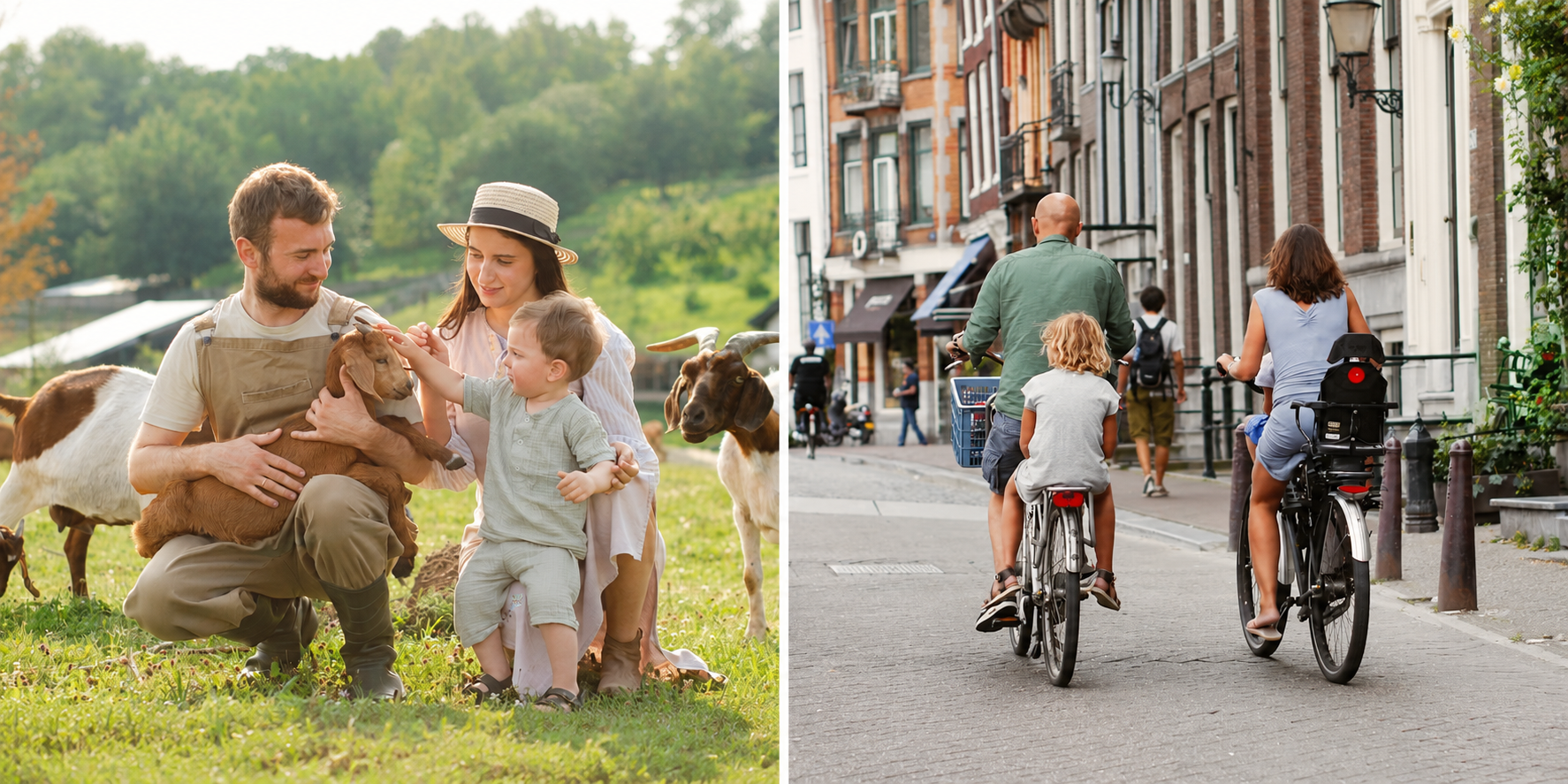
Imagine that you and your friend are doing a school project “City life and Country life”. You have found some photos to illustrate it but for technical reasons you cannot send them now. Leave a voice message to your friend explaining your choice of the photos and sharing some ideas about the project. In 2.5 minutes be ready to:
explain the choice of the illustrations for the project by briefly describing them and noting the differences;
mention the advantages (1–2) of the two places for living;
mention the disadvantages (1–2) of the two places for living;
express your opinion on the subject of the project – which place for living presented in the pictures you would prefer and why.
You will speak for not more than 3 minutes (12–15 sentences). You have to talk continuously.
Когда будет экзамен
ИЮНЬ 2027
Дата сдачи 2027
15 ИЮНЯ
Резервные даты 2027
24 И 25 ИЮНЯ
Экзамен длится
3 Ч 10 МИН
Изучай средние баллы и оценивай свои шансы
Занимайся без стресса и паники и приходи к топовым результатам

В школе дают теорию, в Банке — вся нужная практика для экзамена
Готовься к экзаменам системно, а не «как получится»

Получай подсказки, если задача слишком сложная

Тренируйся по 10–15 минут каждый день

Отрабатывай западающие задания и темы

Тогда начинай тренироваться сегодня —
практика приведёт к высоким баллам