Банк заданий
ЕГЭ по английскому языку
Бесплатно готовься к экзаменам
на проверенных материалах ФИПИ

Найдите нужные задания по ЕГЭ, Английский язык, номеру или теме. Любое задание можно открыть в каталоге или решить в тренажёре.
Imagine that you are doing a project on what professions Zetland teenagers consider prestigious. You have found some data on the subject — the results of a survey conducted among teenagers in Zetland (see the table below).
Comment on the data in the table and give your opinion on the subject of the project.
The survey question: What professions do you consider prestigious?
Professions | Number of respondents (%) |
Lawyer | 32 |
Programmer | 30 |
Economist | 16 |
Doctor | 15 |
Manager | 7 |
Write 200–250 words.
Use the following plan:
— make an opening statement on the subject of the project;
— select and report 2—3 facts;
— make 1—2 comparisons where relevant and give your comments;
— outline a problem that can arise with choosing a career by teenagers and suggest a way of solving it;
— conclude by giving and explaining your opinion on how to make a career choice.
You have received an email message from your English-speaking pen-friend Jo:
From: Jo@mail.uk |
To: Russian_friend@ege.ru |
Subject: Environment |
…Last weekend we went to the Nature and Environment Day together with my friend. It was fun! In your opinion, what means of transport is the most eco-friendly? What would you choose to do: to plant trees or to build birdhouses, why? What environmental activities does your school take part in?.. Guess what! I’m planning to sign up for cooking courses next week… |
Write an email to Jo.
In your message:
– answer his questions;
– ask 3 questions about the cooking courses.
Write 100–140 words.
Remember the rules of email writing.
Imagine that you are preparing a project with your friend. You have found some interesting material for the presentation and you want to read this text to your friend. You have 1.5 minutes to read the text silently, then be ready to read it out aloud. You will not have more than 1.5 minutes to read it.
Acid rain is a serious environmental problem these days. Basically, we have acid rain when water in the atmosphere mixes with dangerous gases and then falls onto the ground. It can fall as rain, snow, dust or even fog. When it comes into contact with animals, plants and even buildings or cars, it does a lot of harm to them. It also damages the soil. If it gets into a river or a lake, water creatures there suffer, too.
It is obvious that acid rain is caused by air pollution. Factories and plants send smoke into the air. People burn fossil fuels to produce energy. They also drive their cars or use public transport instead of using their bikes or walking. Sometimes acid rain happens because of volcanic activity or other natural causes, but in most cases, it is man-made. We should consider our environmental footprint seriously and start doing everything we can to stop acid rain.
Task 2. Study the advertisement.
Fresh carpets, happy home!

You are considering washing your carpets and now you'd like to get more information. In 1.5 minutes you are to ask four direct questions to find out about the following:
1) cleaning products used
2) drying time
3) possibility of fading
4) price of washing
You have 20 seconds to ask each question.
You are going to give an interview. You have to answer five questions. Give full answers to the questions (2-3 sentences).
Remember that you have 40 seconds to answer each question.
0:00 / 0:00
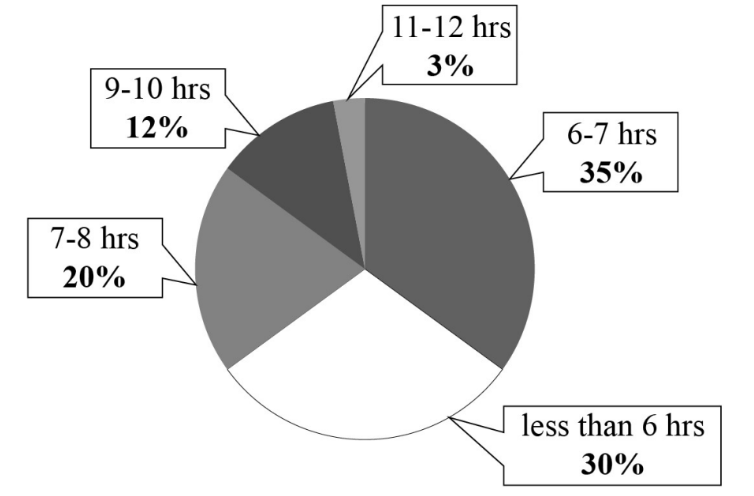
Imaginе that you arе doing a projеct on how many hours of sleep high school students in Zetland usually get on week days. You havе fоund somе data on thе subjеct – thе rеsults of a survey conducted among school students (sее thе pie chart bеlow).
Comment on the data in the diagram and give your opinion on the subject of the project.
The survey question: How many hours do you usually sleep at night?
Write 200–250 words.
Usе thе following plan:
– makе an opеning statement on the subject of the project;
– select and report 2–3 facts;
– make 1–2 comparisons where relevant and give your comments;
– outline a problem related to sleep that one can face and suggest a way of solving it;
– conclude by giving and explaining your opinion on the importance of a good night's sleep for teenagers.
Imagine that you and your friend are doing a school project “Sports for everyone”. You have found some photos to illustrate it but for technical reasons you cannot send them now. Leave a voice message to your friend explaining your choice of the photos and sharing some ideas about the project. In 2.5 minutes be ready to:
• explain the choice of the illustrations for the project by briefly describing them and noting the differences;
• mention the advantages (1-2) of the two kinds of sport;
• mention the disadvantages (1–2) of the two kinds of sport;
• express your opinion on the subject of the project – which sport you would prefer to do and why.
You will speak for not more than 3 minutes (12–15 sentences). You have to talk continuously.

Imagine that you are preparing a project with your friend. You have found some interesting material for the presentation and you want to read this text to your friend. You have 1.5 minutes tо read the text silently, then be ready to read it out aloud. You will not have more than 1.5 minutes to read it.
A polar bear walks along a rocky shore, looking for food. The bear would usually be on the sea ice hunting for seals, pouncing when the seal comes up to breathe. But the ice has started to melt earlier and re-form later than it was in the past. Without the sea ice, the polar bear must scavenge for other, less nutritious food. These changes in polar sea ice are a result of climate change. But this isn't just affecting polar bears — climate change affects everyone.
Changes in Earth's climate are caused by how much of the Sun's energy is absorbed by the atmosphere. In fact, over the past 650,000 years, our planet has gone through seven ice ages and warming periods. But during the past few hundred years, oil, gas, and coal have powered homes, cars, and factories. That increases Earth's temperature, which contributes to the planet's warming.
Task 2. Study the advertisement.
Adventure, friends, memories — all summer long!

You are considering going to a summer camp for teenagers and now you’d like to get more information. In 1.5 minutes you are to ask four direct questions to find out about the following:
1) location
2) activities and entertainment
3) if outings are organised
4) price for 2 weeks
You have 20 seconds to ask each question.
You are going to give an interview. You have to answer five questions. Give full answers to the questions (2-3 sentences).
Remember that you have 40 seconds tо answer each question.
0:00 / 0:00
Imagine that you and your friend are doing a school project “Travelling". You have found some photos to illustrate it but for technical reasons you cannot send them now. Leave a voice message to your friend explaining your choice of the photos and sharing some ideas about the project. In 2.5 minutes be ready to:
explain the choice of the illustrations for the project by briefly describing them and noting the differences;
mention the advantages (1–2) of the two ways of travelling;
mention the disadvantages (1–2) of the two ways of travelling;
express your opinion on the subject of the project – which way of travelling you prefer and why.
You will speak for not more than 3 minutes (12–15 sentences). You have to talk continuously.

Прочитайте текст и выполните задания 12–18. В каждом задании запишите в поле ответа цифру 1, 2, 3 или 4, соответствующую выбранному Вами варианту ответа.
Пример ответа: 1
How a Paris abbey became a science museum
A trip to Europe without visiting museums would be like a trip to Fiji without visiting a beach. It just seems wrong to ignore such an embarrassment of riches. So when I was in France last year, I dutifully walked through museums, but I soon noticed a strange phenomenon. Every time I think about going to a museum, it seems like a fascinating way to spend an afternoon, but once I get there, I almost always find myself getting very sleepy by the time I get to the second gallery. I try to be enthusiastic … but usually I’m no match for the long halls of display cases.
There is an exception to this rule, though: science museums. I love inventions and gadgets, getting to know how things work and how people went about solving very difficult problems. I can stay awake in a good science museum indefinitely. So while in Paris, I visited the Conservatory of Arts and Trades. Part of this centuries-old institution is a museum that’s open to the public, and it contains a fascinating variety of objects and exhibits including the original Foucault’s Pendulum.
The Conservatory is off the beaten path; most English guidebooks don’t even mention it. It does, however, attract a certain number of pilgrims who were fascinated by Umberto Eco’s novel Foucault’s Pendulum, part of which takes place there. In the novel, a secret passage under the floor of the nave connects with the Paris sewers. That isn’t the case in reality, but truth is perhaps more interesting than fiction. There is something under the floor of the nave, a curious part of the building’s long and strange history.
The foundation for the abbey church of St. Martin of the Fields was laid around 1059, about the time of the Norman conquest. Over the next centuries, numerous additions and renovations were undertaken. All that changed in the French Revolution when under the name of Conservatory of Arts and Trades, it became a depository for machines, models, tools, drawings, descriptions and books in all the areas of the arts and trades. It officially opened in 1802.
The museum closed for a renovation in 1993, and as part of the process, archaeological excavations were undertaken beneath the floor of the nave. For the entire history of the church, there had been stories that the site on which it stood was once a Merovingian funerary basilica, but this had never been proven. What archaeologists discovered was a large necropolis dating from the 6th or 7th century with about 100 plaster coffins inside. The tales were indeed true.
When the museum reopened a few years later, it was a typical shiny and up-to-date science museum. But it was decided that their thousands of additional articles should be made available to scholars even when they’re not on exhibit. So they opened a satellite facility in the nearby town of Saint-Denis, where by appointment only qualified researchers can go to examine the rest of the museum’s collection.
I’ve been to the Conservatory in 2000 and in 2003. As a science museum I found it a sheer delight. The former abbey is only a portion of the museum, and the museum is only a portion of the Conservatory. But all the history of the building and the institution seems to be concentrated in the large nave with its bones beneath and gadgets above. The odd contrast of centuries of monastic simplicity with centuries of technological progress tickles me in a way I can’t easily describe. Perhaps the Pendulum says it best: as a scientific wonder that’s also meditatively simple, it symbolically bridges the illusory divide between technology and spirituality.
16. The reason the archaeological excavations started was the need to …
1) find Merovingian treasures.
2) solve some construction problems.
3) strengthen the basement.
4) prove the story of the site.
Прочитайте текст и выполните задания 12–18. В каждом задании запишите в поле ответа цифру 1, 2, 3 или 4, соответствующую выбранному Вами варианту ответа.
Пример ответа: 1
How a Paris abbey became a science museum
A trip to Europe without visiting museums would be like a trip to Fiji without visiting a beach. It just seems wrong to ignore such an embarrassment of riches. So when I was in France last year, I dutifully walked through museums, but I soon noticed a strange phenomenon. Every time I think about going to a museum, it seems like a fascinating way to spend an afternoon, but once I get there, I almost always find myself getting very sleepy by the time I get to the second gallery. I try to be enthusiastic … but usually I’m no match for the long halls of display cases.
There is an exception to this rule, though: science museums. I love inventions and gadgets, getting to know how things work and how people went about solving very difficult problems. I can stay awake in a good science museum indefinitely. So while in Paris, I visited the Conservatory of Arts and Trades. Part of this centuries-old institution is a museum that’s open to the public, and it contains a fascinating variety of objects and exhibits including the original Foucault’s Pendulum.
The Conservatory is off the beaten path; most English guidebooks don’t even mention it. It does, however, attract a certain number of pilgrims who were fascinated by Umberto Eco’s novel Foucault’s Pendulum, part of which takes place there. In the novel, a secret passage under the floor of the nave connects with the Paris sewers. That isn’t the case in reality, but truth is perhaps more interesting than fiction. There is something under the floor of the nave, a curious part of the building’s long and strange history.
The foundation for the abbey church of St. Martin of the Fields was laid around 1059, about the time of the Norman conquest. Over the next centuries, numerous additions and renovations were undertaken. All that changed in the French Revolution when under the name of Conservatory of Arts and Trades, it became a depository for machines, models, tools, drawings, descriptions and books in all the areas of the arts and trades. It officially opened in 1802.
The museum closed for a renovation in 1993, and as part of the process, archaeological excavations were undertaken beneath the floor of the nave. For the entire history of the church, there had been stories that the site on which it stood was once a Merovingian funerary basilica, but this had never been proven. What archaeologists discovered was a large necropolis dating from the 6th or 7th century with about 100 plaster coffins inside. The tales were indeed true.
When the museum reopened a few years later, it was a typical shiny and up-to-date science museum. But it was decided that their thousands of additional articles should be made available to scholars even when they’re not on exhibit. So they opened a satellite facility in the nearby town of Saint-Denis, where by appointment only qualified researchers can go to examine the rest of the museum’s collection.
I’ve been to the Conservatory in 2000 and in 2003. As a science museum I found it a sheer delight. The former abbey is only a portion of the museum, and the museum is only a portion of the Conservatory. But all the history of the building and the institution seems to be concentrated in the large nave with its bones beneath and gadgets above. The odd contrast of centuries of monastic simplicity with centuries of technological progress tickles me in a way I can’t easily describe. Perhaps the Pendulum says it best: as a scientific wonder that’s also meditatively simple, it symbolically bridges the illusory divide between technology and spirituality.
17. “A satellite facility” in phrase “… they opened a satellite facility” (paragraph 6) refers to …
1) a minor educational site.
2) a research area.
3) a place for additional exhibits.
4) the museum’s laboratory.
Прочитайте текст и выполните задания 12–18. В каждом задании запишите в поле ответа цифру 1, 2, 3 или 4, соответствующую выбранному Вами варианту ответа.
Пример ответа: 1
How a Paris abbey became a science museum
A trip to Europe without visiting museums would be like a trip to Fiji without visiting a beach. It just seems wrong to ignore such an embarrassment of riches. So when I was in France last year, I dutifully walked through museums, but I soon noticed a strange phenomenon. Every time I think about going to a museum, it seems like a fascinating way to spend an afternoon, but once I get there, I almost always find myself getting very sleepy by the time I get to the second gallery. I try to be enthusiastic … but usually I’m no match for the long halls of display cases.
There is an exception to this rule, though: science museums. I love inventions and gadgets, getting to know how things work and how people went about solving very difficult problems. I can stay awake in a good science museum indefinitely. So while in Paris, I visited the Conservatory of Arts and Trades. Part of this centuries-old institution is a museum that’s open to the public, and it contains a fascinating variety of objects and exhibits including the original Foucault’s Pendulum.
The Conservatory is off the beaten path; most English guidebooks don’t even mention it. It does, however, attract a certain number of pilgrims who were fascinated by Umberto Eco’s novel Foucault’s Pendulum, part of which takes place there. In the novel, a secret passage under the floor of the nave connects with the Paris sewers. That isn’t the case in reality, but truth is perhaps more interesting than fiction. There is something under the floor of the nave, a curious part of the building’s long and strange history.
The foundation for the abbey church of St. Martin of the Fields was laid around 1059, about the time of the Norman conquest. Over the next centuries, numerous additions and renovations were undertaken. All that changed in the French Revolution when under the name of Conservatory of Arts and Trades, it became a depository for machines, models, tools, drawings, descriptions and books in all the areas of the arts and trades. It officially opened in 1802.
The museum closed for a renovation in 1993, and as part of the process, archaeological excavations were undertaken beneath the floor of the nave. For the entire history of the church, there had been stories that the site on which it stood was once a Merovingian funerary basilica, but this had never been proven. What archaeologists discovered was a large necropolis dating from the 6th or 7th century with about 100 plaster coffins inside. The tales were indeed true.
When the museum reopened a few years later, it was a typical shiny and up-to-date science museum. But it was decided that their thousands of additional articles should be made available to scholars even when they’re not on exhibit. So they opened a satellite facility in the nearby town of Saint-Denis, where by appointment only qualified researchers can go to examine the rest of the museum’s collection.
I’ve been to the Conservatory in 2000 and in 2003. As a science museum I found it a sheer delight. The former abbey is only a portion of the museum, and the museum is only a portion of the Conservatory. But all the history of the building and the institution seems to be concentrated in the large nave with its bones beneath and gadgets above. The odd contrast of centuries of monastic simplicity with centuries of technological progress tickles me in a way I can’t easily describe. Perhaps the Pendulum says it best: as a scientific wonder that’s also meditatively simple, it symbolically bridges the illusory divide between technology and spirituality.
18. Visiting the museum the author is impressed by …
1) its size, history and facilities.
2) the number of technological exhibits.
3) the mixture of material and immaterial in its environment.
4) the symbols he finds there.
Прочитайте приведённый ниже текст / приведённые ниже тексты. Преобразуйте, если необходимо, слова, напечатанные заглавными буквами в конце строк, обозначенных номерами 19–24, так, чтобы они грамматически соответствовали содержанию текстов. Заполните пропуски полученными словами. Каждый пропуск соответствует отдельному заданию из группы 19–24.
Пример ответа: was built
Barcelona
Barcelona offers an exciting mixture of Catalan history and architecture. It is a regionally dominant city and it (19)____________(NOT HAVE) to compete with its neighbours.
Barcelona (20)___(BE) popular since the city hosted the 1992 Olympics. At present this metropolis welcomes millions of tourists every year.
(21)___(WOMAN) make up the majority of the city's visitors. It's not surprising because Barcelona's shops offer a wide variety of fashionable clothes.
Baghdad
Baghdad is the capital of Iraq. Located along historic trade routes, it (22)___(BE) an important city in the Middle East for thousands of years.
It is also the (23)___(LARGE) city in the country.
In 1991 and again in the early 2000s it was the scene of heavy fighting during U.S. led attacks on Iraq. Parts of the city (24)___(DESTROY).
Прочитайте приведённый ниже текст / приведённые ниже тексты. Преобразуйте, если необходимо, слова, напечатанные заглавными буквами в конце строк, обозначенных номерами 19–24, так, чтобы они грамматически соответствовали содержанию текстов. Заполните пропуски полученными словами. Каждый пропуск соответствует отдельному заданию из группы 19–24.
Пример ответа: was built
Barcelona
Barcelona offers an exciting mixture of Catalan history and architecture. It is a regionally dominant city and it (19)____________(NOT HAVE) to compete with its neighbours.
Barcelona (20)___(BE) popular since the city hosted the 1992 Olympics. At present this metropolis welcomes millions of tourists every year.
(21)___(WOMAN) make up the majority of the city's visitors. It's not surprising because Barcelona's shops offer a wide variety of fashionable clothes.
Baghdad
Baghdad is the capital of Iraq. Located along historic trade routes, it (22)___(BE) an important city in the Middle East for thousands of years.
It is also the (23)___(LARGE) city in the country.
In 1991 and again in the early 2000s it was the scene of heavy fighting during U.S. led attacks on Iraq. Parts of the city (24)___(DESTROY).
Прочитайте приведённый ниже текст / приведённые ниже тексты. Преобразуйте, если необходимо, слова, напечатанные заглавными буквами в конце строк, обозначенных номерами 19–24, так, чтобы они грамматически соответствовали содержанию текстов. Заполните пропуски полученными словами. Каждый пропуск соответствует отдельному заданию из группы 19–24.
Пример ответа: was built
Barcelona
Barcelona offers an exciting mixture of Catalan history and architecture. It is a regionally dominant city and it (19)____________(NOT HAVE) to compete with its neighbours.
Barcelona (20)___(BE) popular since the city hosted the 1992 Olympics. At present this metropolis welcomes millions of tourists every year.
(21)___(WOMAN) make up the majority of the city's visitors. It's not surprising because Barcelona's shops offer a wide variety of fashionable clothes.
Baghdad
Baghdad is the capital of Iraq. Located along historic trade routes, it (22)___(BE) an important city in the Middle East for thousands of years.
It is also the (23)___(LARGE) city in the country.
In 1991 and again in the early 2000s it was the scene of heavy fighting during U.S. led attacks on Iraq. Parts of the city (24)___(DESTROY).
Прочитайте приведённый ниже текст / приведённые ниже тексты. Преобразуйте, если необходимо, слова, напечатанные заглавными буквами в конце строк, обозначенных номерами 19–24, так, чтобы они грамматически соответствовали содержанию текстов. Заполните пропуски полученными словами. Каждый пропуск соответствует отдельному заданию из группы 19–24.
Пример ответа: was built
Barcelona
Barcelona offers an exciting mixture of Catalan history and architecture. It is a regionally dominant city and it (19)____________(NOT HAVE) to compete with its neighbours.
Barcelona (20)___(BE) popular since the city hosted the 1992 Olympics. At present this metropolis welcomes millions of tourists every year.
(21)___(WOMAN) make up the majority of the city's visitors. It's not surprising because Barcelona's shops offer a wide variety of fashionable clothes.
Baghdad
Baghdad is the capital of Iraq. Located along historic trade routes, it (22)___(BE) an important city in the Middle East for thousands of years.
It is also the (23)___(LARGE) city in the country.
In 1991 and again in the early 2000s it was the scene of heavy fighting during U.S. led attacks on Iraq. Parts of the city (24)___(DESTROY).
Прочитайте приведённый ниже текст / приведённые ниже тексты. Преобразуйте, если необходимо, слова, напечатанные заглавными буквами в конце строк, обозначенных номерами 19–24, так, чтобы они грамматически соответствовали содержанию текстов. Заполните пропуски полученными словами. Каждый пропуск соответствует отдельному заданию из группы 19–24.
Пример ответа: was built
Barcelona
Barcelona offers an exciting mixture of Catalan history and architecture. It is a regionally dominant city and it (19)____________(NOT HAVE) to compete with its neighbours.
Barcelona (20)___(BE) popular since the city hosted the 1992 Olympics. At present this metropolis welcomes millions of tourists every year.
(21)___(WOMAN) make up the majority of the city's visitors. It's not surprising because Barcelona's shops offer a wide variety of fashionable clothes.
Baghdad
Baghdad is the capital of Iraq. Located along historic trade routes, it (22)___(BE) an important city in the Middle East for thousands of years.
It is also the (23)___(LARGE) city in the country.
In 1991 and again in the early 2000s it was the scene of heavy fighting during U.S. led attacks on Iraq. Parts of the city (24)___(DESTROY).
Прочитайте приведённый ниже текст / приведённые ниже тексты. Преобразуйте, если необходимо, слова, напечатанные заглавными буквами в конце строк, обозначенных номерами 19–24, так, чтобы они грамматически соответствовали содержанию текстов. Заполните пропуски полученными словами. Каждый пропуск соответствует отдельному заданию из группы 19–24.
Пример ответа: was built
Barcelona
Barcelona offers an exciting mixture of Catalan history and architecture. It is a regionally dominant city and it (19)____________(NOT HAVE) to compete with its neighbours.
Barcelona (20)___(BE) popular since the city hosted the 1992 Olympics. At present this metropolis welcomes millions of tourists every year.
(21)___(WOMAN) make up the majority of the city's visitors. It's not surprising because Barcelona's shops offer a wide variety of fashionable clothes.
Baghdad
Baghdad is the capital of Iraq. Located along historic trade routes, it (22)___(BE) an important city in the Middle East for thousands of years.
It is also the (23)___(LARGE) city in the country.
In 1991 and again in the early 2000s it was the scene of heavy fighting during U.S. led attacks on Iraq. Parts of the city (24)___(DESTROY).
Прочитайте приведённый ниже текст. Образуйте от слов, напечатанных заглавными буквами в конце строк, обозначенных номерами 25–29, однокоренные слова, так, чтобы они грамматически и лексически соответствовали содержанию текста. Заполните пропуски полученными словами. Каждый пропуск соответствует отдельному заданию из группы 25–29.
Пример ответа: foundation
The Blue Mountains National Park
When people come to Australia, they typically wish to enjoy the outstanding nature of the continent. If you are a (25) (VISIT) to Australia with this very goal on your mind, try The Blue Mountains National Park. It is located in New South Wales, approximately 80 km west of Sydney. Its proximity to the biggest city in Australia has made this amazing park a popular day trip for both tourists and locals alike. The park is (26) (PROBABLE) best known for the Three Sisters, a rock formation that towers 900 m above the Jamison Valley. The Blue Mountains National Park features miles of trails for hikers and mountain bikers, and it is also a popular (27) (NATURE) playground for adventurers who enjoy adrenaline sports. Among such sports the top one is rock (28) (CLIMB). Your day in The Blue Mountains National Park will certainly be (29) (FORGET).
Прочитайте приведённый ниже текст. Образуйте от слов, напечатанных заглавными буквами в конце строк, обозначенных номерами 25–29, однокоренные слова, так, чтобы они грамматически и лексически соответствовали содержанию текста. Заполните пропуски полученными словами. Каждый пропуск соответствует отдельному заданию из группы 25–29.
Пример ответа: foundation
The Blue Mountains National Park
When people come to Australia, they typically wish to enjoy the outstanding nature of the continent. If you are a (25) (VISIT) to Australia with this very goal on your mind, try The Blue Mountains National Park. It is located in New South Wales, approximately 80 km west of Sydney. Its proximity to the biggest city in Australia has made this amazing park a popular day trip for both tourists and locals alike. The park is (26) (PROBABLE) best known for the Three Sisters, a rock formation that towers 900 m above the Jamison Valley. The Blue Mountains National Park features miles of trails for hikers and mountain bikers, and it is also a popular (27) (NATURE) playground for adventurers who enjoy adrenaline sports. Among such sports the top one is rock (28) (CLIMB). Your day in The Blue Mountains National Park will certainly be (29) (FORGET).
Прочитайте приведённый ниже текст. Образуйте от слов, напечатанных заглавными буквами в конце строк, обозначенных номерами 25–29, однокоренные слова, так, чтобы они грамматически и лексически соответствовали содержанию текста. Заполните пропуски полученными словами. Каждый пропуск соответствует отдельному заданию из группы 25–29.
Пример ответа: foundation
The Blue Mountains National Park
When people come to Australia, they typically wish to enjoy the outstanding nature of the continent. If you are a (25) (VISIT) to Australia with this very goal on your mind, try The Blue Mountains National Park. It is located in New South Wales, approximately 80 km west of Sydney. Its proximity to the biggest city in Australia has made this amazing park a popular day trip for both tourists and locals alike. The park is (26) (PROBABLE) best known for the Three Sisters, a rock formation that towers 900 m above the Jamison Valley. The Blue Mountains National Park features miles of trails for hikers and mountain bikers, and it is also a popular (27) (NATURE) playground for adventurers who enjoy adrenaline sports. Among such sports the top one is rock (28) (CLIMB). Your day in The Blue Mountains National Park will certainly be (29) (FORGET).
Прочитайте приведённый ниже текст. Образуйте от слов, напечатанных заглавными буквами в конце строк, обозначенных номерами 25–29, однокоренные слова, так, чтобы они грамматически и лексически соответствовали содержанию текста. Заполните пропуски полученными словами. Каждый пропуск соответствует отдельному заданию из группы 25–29.
Пример ответа: foundation
The Blue Mountains National Park
When people come to Australia, they typically wish to enjoy the outstanding nature of the continent. If you are a (25) (VISIT) to Australia with this very goal on your mind, try The Blue Mountains National Park. It is located in New South Wales, approximately 80 km west of Sydney. Its proximity to the biggest city in Australia has made this amazing park a popular day trip for both tourists and locals alike. The park is (26) (PROBABLE) best known for the Three Sisters, a rock formation that towers 900 m above the Jamison Valley. The Blue Mountains National Park features miles of trails for hikers and mountain bikers, and it is also a popular (27) (NATURE) playground for adventurers who enjoy adrenaline sports. Among such sports the top one is rock (28) (CLIMB). Your day in The Blue Mountains National Park will certainly be (29) (FORGET).
Прочитайте приведённый ниже текст. Образуйте от слов, напечатанных заглавными буквами в конце строк, обозначенных номерами 25–29, однокоренные слова, так, чтобы они грамматически и лексически соответствовали содержанию текста. Заполните пропуски полученными словами. Каждый пропуск соответствует отдельному заданию из группы 25–29.
Пример ответа: foundation
The Blue Mountains National Park
When people come to Australia, they typically wish to enjoy the outstanding nature of the continent. If you are a (25) (VISIT) to Australia with this very goal on your mind, try The Blue Mountains National Park. It is located in New South Wales, approximately 80 km west of Sydney. Its proximity to the biggest city in Australia has made this amazing park a popular day trip for both tourists and locals alike. The park is (26) (PROBABLE) best known for the Three Sisters, a rock formation that towers 900 m above the Jamison Valley. The Blue Mountains National Park features miles of trails for hikers and mountain bikers, and it is also a popular (27) (NATURE) playground for adventurers who enjoy adrenaline sports. Among such sports the top one is rock (28) (CLIMB). Your day in The Blue Mountains National Park will certainly be (29) (FORGET).
Когда будет экзамен
ИЮНЬ 2027
Дата сдачи 2027
15 ИЮНЯ
Резервные даты 2027
24 И 25 ИЮНЯ
Экзамен длится
3 Ч 10 МИН
Изучай средние баллы и оценивай свои шансы
Занимайся без стресса и паники и приходи к топовым результатам
В школе дают теорию, в Банке — вся нужная практика для экзамена
Готовься к экзаменам системно, а не «как получится»
Получай подсказки, если задача слишком сложная

Тренируйся по 10–15 минут каждый день

Отрабатывай западающие задания и темы

Тогда начинай тренироваться сегодня —
практика приведёт к высоким баллам